

When considering a vehicle for company operations, many businesses face the choice between purchasing a new car or opting for a second-hand (used) car. While new cars offer various advantages, second-hand cars can be a more cost-effective alternative and still provide optimal performance if chosen carefully.
1. More Affordable Price and Lower Depreciation Value
One of the main benefits of choosing a second-hand car is the more affordable price compared to a new car. New cars undergo significant depreciation, especially within the first one to three years after purchase.
By purchasing a second-hand car, you can get a vehicle with the same specifications at a much lower price. This is highly beneficial for companies looking to save on budgets without compromising the quality of their operational vehicles.
2. Lower Tax and Insurance Costs
Vehicle tax is usually calculated based on the vehicle's selling price. Since second-hand cars have lower prices compared to new ones, the tax to be paid is also cheaper.
Additionally, insurance premiums for second-hand cars tend to be lower than those for new cars. This is an added advantage for companies looking to manage operational costs more efficiently.
3. More Varied Model and Brand Options
By choosing a second-hand car, you have more options in terms of models and brands that suit your company’s needs. If purchasing a new car is limited by a specific budget, with the same amount of money, you can get a second-hand car with higher specifications or more complete features.
Many used cars are still in excellent condition, especially if the previous owner maintained them well. Therefore, ensure that you choose a vehicle with a clear service history to get optimal performance.
4. Immediate Availability
When purchasing a new car, there is often a waiting period for delivery or pre-order, especially for certain models. In contrast, second-hand cars can be used immediately after purchase, making them ideal for companies needing operational vehicles quickly.
This is a perfect solution for businesses that require additional fleet vehicles urgently without long waiting times.
5. Environmentally Friendly by Utilizing Existing Vehicles
Buying a second-hand car can also be considered a more environmentally friendly step. By utilizing existing vehicles, you help reduce automotive waste and extend the life cycle of vehicles.
Moreover, many second-hand cars still meet good emission standards and remain fuel-efficient, making them an economical and sustainable vehicle choice.
Comparing Second-Hand Cars with Car Rental
Besides buying a second-hand car, companies can also consider car rental. Both reduce upfront costs compared to buying a new car, but they differ in how the vehicles are managed.
- A second-hand car requires purchase capital upfront, while car rental uses a rental fee based on the contract period.
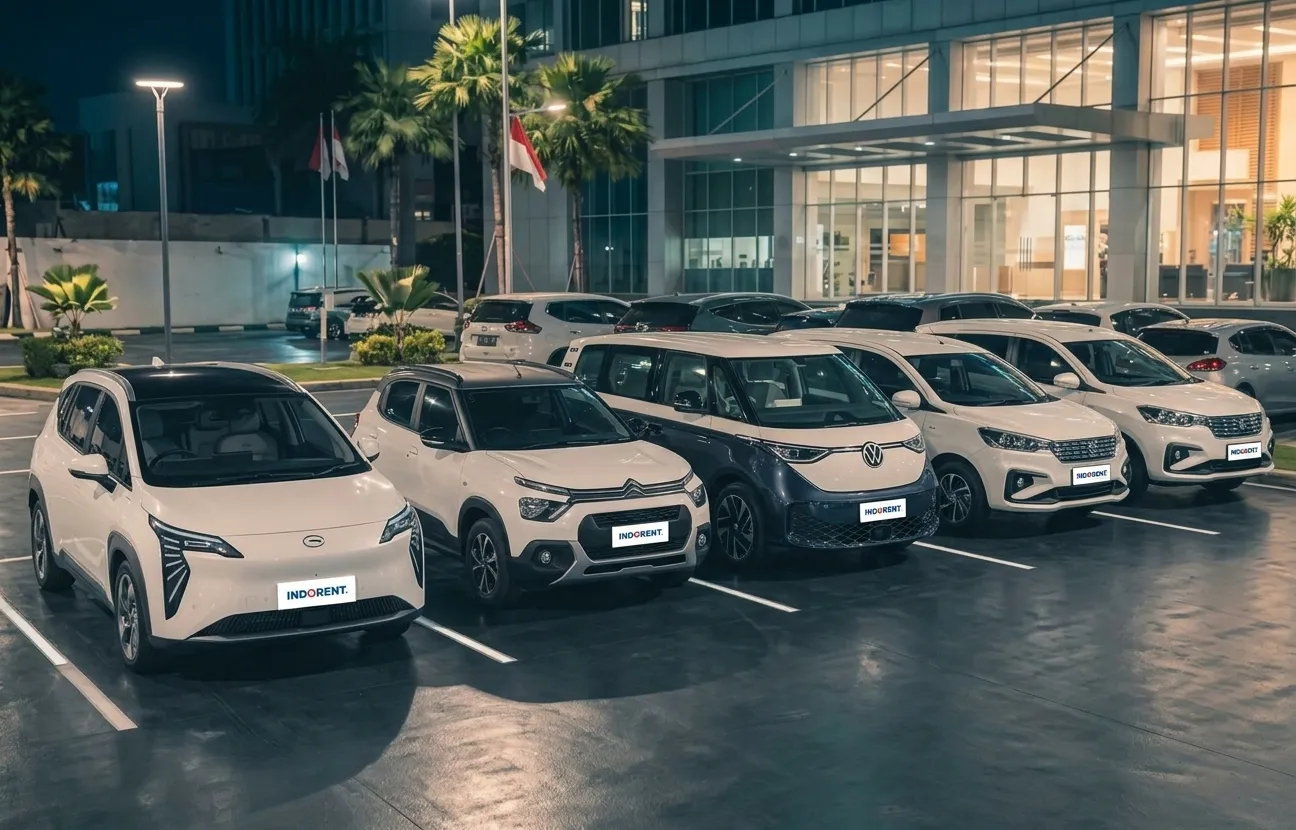
- With a second-hand car, maintenance, taxes, and insurance are the owner’s responsibility. With INDORENT’s long-term car rental, scheduled maintenance, vehicle insurance, and STNK and KIR renewal are included in the rental fee.
- A second-hand car becomes a company asset, while car rental offers the flexibility to adjust the number and type of vehicles as needs change.
Conclusion
Second-hand cars can be a cost-effective and practical choice for companies or individuals looking for vehicles at more affordable prices, lower operational costs, and greater flexibility in model selection.
If you need an operational car solution without the hassle of maintenance and administration, INDORENT offers quality car rental services for both short-term and long-term needs. Contact us now and find the best car rental solution for your business!